


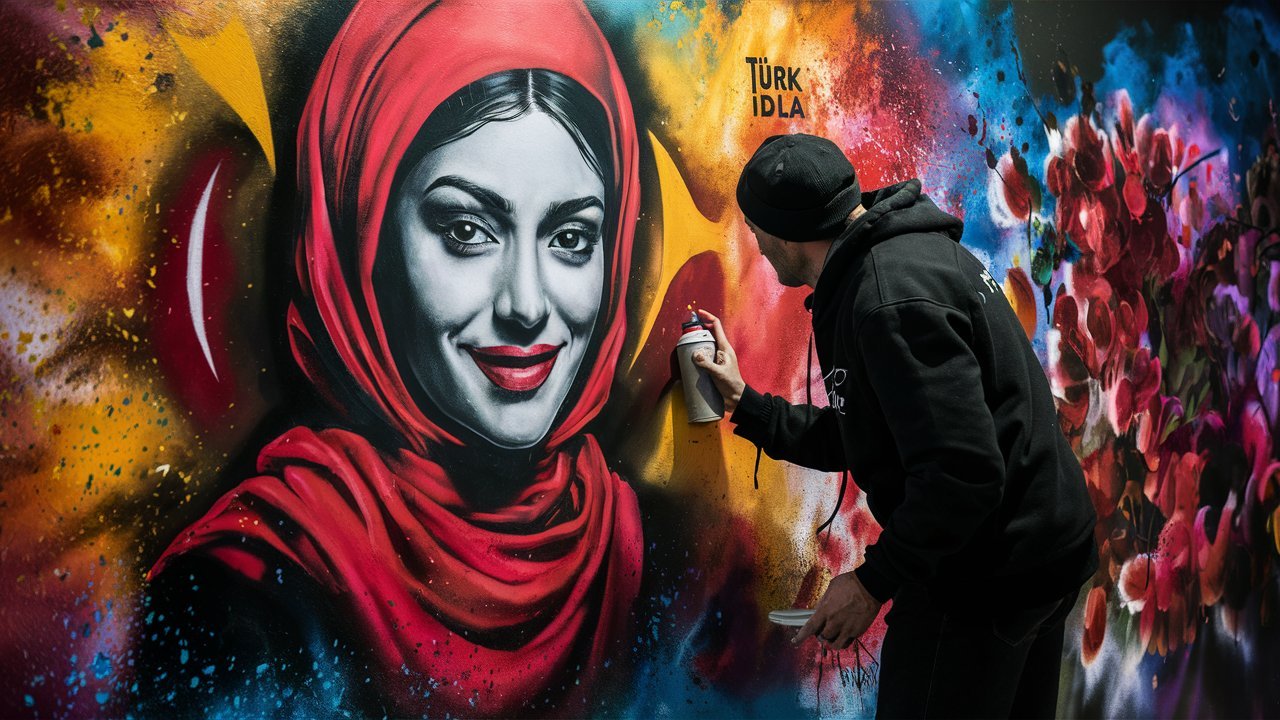

In today’s fast changing world, people are paying more attention to their roots and cultural identity. One term that creates curiosity is Türk idla. Many people search for its meaning, background, and importance in society. Some want to understand it from a historical point of view, while others are interested in its cultural value.
In this detailed guide, I will explain Türk idla in simple and easy English. My goal is to make this topic understandable even for beginners. I will also share personal thoughts and examples to make the explanation feel natural and real. Understanding cultural identity is important because it shapes how we think, behave, and connect with others.
What Is Türk idla
Türk idla can be understood as a concept connected to Turkish identity, cultural awareness, and shared heritage. It reflects a sense of belonging, tradition, and historical continuity among people who identify with Turkish culture.
Identity is not only about nationality. It is also about language, traditions, shared values, and community ties. Türk idla represents these deeper layers of cultural meaning.
When people talk about identity, they often mean how individuals see themselves and how they connect with their history. This concept brings together culture, history, and social belonging in one framework.
Historical Background
To understand Türk idla, we must look at history. Turkish identity has deep roots going back centuries. Over time, different empires, migrations, and social changes shaped cultural traditions and national awareness.
Historical events often strengthen cultural identity. When a society experiences challenges, people become more aware of who they are and where they come from. Cultural values become stronger during times of change.
From ancient traditions to modern national developments, the evolution of identity shows how communities adapt while keeping their core beliefs alive.
Cultural Significance
Culture is more than food, music, or clothing. It includes moral values, social rules, and shared stories. Türk idla plays a role in preserving these elements.
Language is one of the strongest parts of identity. Traditions passed from one generation to another also support cultural continuity. Celebrations, ceremonies, and family customs all reflect identity in daily life.
When people feel proud of their cultural background, they are more confident and connected to their community.
Core Values and Traditions
Türk idla is often connected with values such as respect for elders, hospitality, loyalty, and strong family ties. These values are deeply rooted in Turkish culture.
Hospitality is one of the most famous cultural characteristics. Welcoming guests warmly shows respect and generosity. Family unity is also important. Many decisions are made with family interest in mind.
Traditions create stability. They remind people of their roots and give them guidance in modern life.
Türk idla in Modern Society
Today, globalization influences cultures worldwide. People travel, communicate online, and experience different lifestyles. Despite this, cultural identity remains important.
In modern society, Türk idla may appear in education, media, literature, and public celebrations. It can also be expressed through art, music, and community events.
Young generations may interpret identity differently than older generations. However, the foundation remains connected to shared history and values.
Social and Community Impact
A strong sense of identity creates unity. When people share common values, they cooperate more easily. Community projects, social support systems, and cultural events become stronger.
Identity also supports mental well being. Knowing where you belong gives emotional stability. People who feel connected to their roots often show greater confidence.
From my observation, communities that protect their cultural identity tend to have stronger social bonds.
Read Also: Jupiterqq
Personal Perspective and Real Examples
In my experience researching cultural topics, I noticed that identity becomes more meaningful when people move abroad. Living in another country often increases appreciation for one’s own heritage.
For example, many individuals reconnect with traditional music, language, and festivals when they are away from home. Distance sometimes strengthens identity awareness.
This shows that Türk idla is not only a historical concept. It is a living experience shaped by personal stories and everyday actions.
EEAT and Why Trust Matters
When writing about cultural topics, accuracy and respect are very important. Experience helps provide real life examples. Expertise ensures correct information. Authority comes from balanced explanations. Trust is built by avoiding exaggeration.
This article aims to present a thoughtful and respectful overview. Cultural topics should be discussed carefully and responsibly.
Common Misunderstandings
Some people think identity means rejecting other cultures. That is not correct. Strong cultural identity does not require isolation. It simply means understanding and valuing your roots.
Another misunderstanding is that identity never changes. In reality, identity evolves over time. It adapts to new environments while keeping core traditions alive.
Future of Cultural Identity
The future of cultural identity depends on education and awareness. Schools, families, and communities play an important role in teaching history and traditions.
Digital media can either strengthen or weaken cultural awareness. When used wisely, it spreads knowledge and connects people globally.
Protecting identity does not mean avoiding change. It means balancing tradition with progress.
Conclusion
Türk idla represents cultural identity, historical awareness, and shared values within Turkish heritage. It connects people to their roots and strengthens community bonds.
Understanding identity helps individuals feel confident and connected. In a rapidly changing world, cultural awareness provides stability and direction.
In my honest opinion, preserving cultural identity while staying open to global learning creates a healthy balance. Respect for roots and openness to new ideas can exist together.
Frequently Asked Questions
What does Türk idla mean
It refers to the concept of Turkish cultural identity and shared heritage.
Why is cultural identity important
It provides belonging, stability, and connection to history.
Is identity fixed or changing
Identity evolves over time while maintaining core traditions.
How can people preserve cultural identity
Through education, traditions, language preservation, and community activities.
Can cultural identity coexist with globalization
Yes. People can respect their heritage while engaging with global cultures.





Leave a Reply