


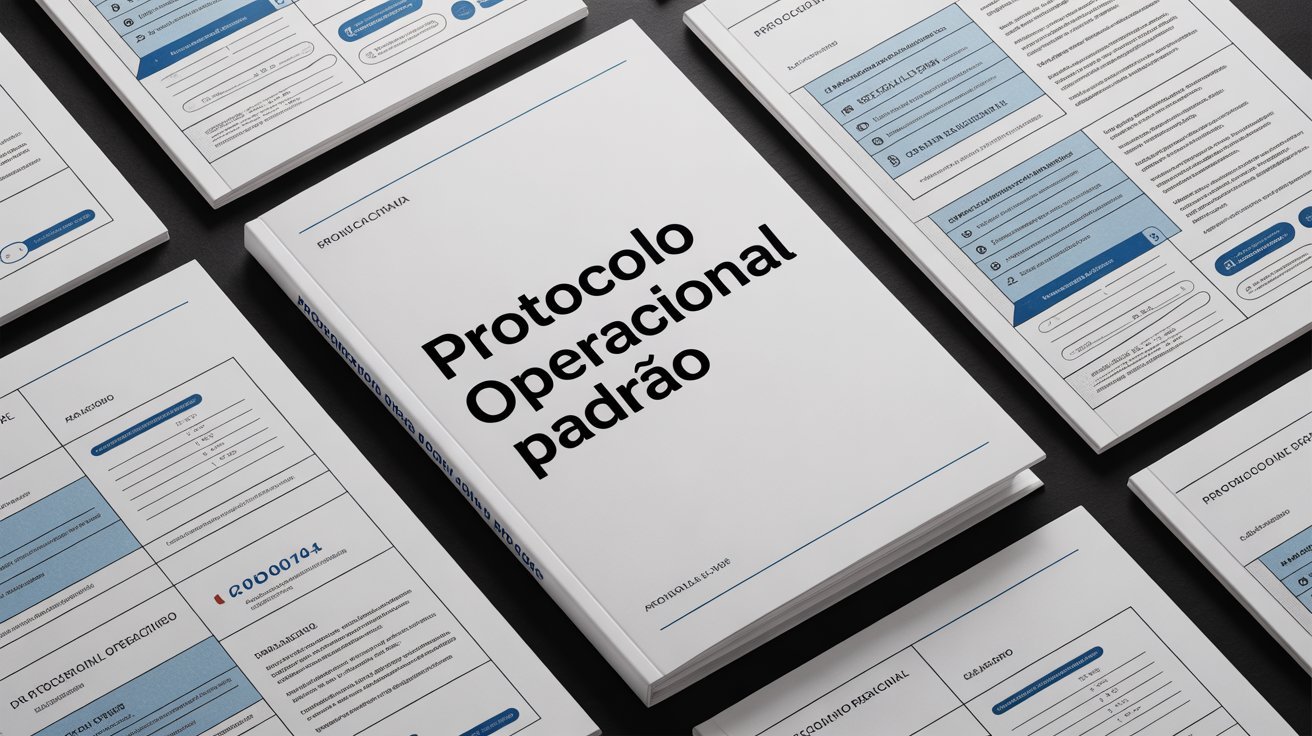

What Is Protocolo Operacional Padrao
A Protocolo Operacional Padrao is a written document that explains how to perform a task correctly and consistently. It provides step by step instructions so that everyone follows the same process.
The goal of a SOP is to reduce mistakes, improve quality, and ensure safety. When people follow the same instructions, results become more predictable.
In simple terms, a SOP is a guide that tells you what to do, how to do it, and when to do it.
Origin and Meaning of SOP
The term Protocolo Operacional Padrao comes from the need to standardize operations. As organizations grew larger, it became impossible to rely only on verbal instructions.
Industries like manufacturing and healthcare were among the first to adopt SOPs. Over time, SOPs became common in offices, schools, laboratories, and even small businesses.
Today, SOPs are seen as a sign of professionalism and responsibility.
Why SOPs Are Important
SOPs help create consistency. When everyone follows the same process, the quality of work improves.
They also improve safety. In high risk environments, clear procedures can prevent accidents and injuries.
Another benefit is training. New employees learn faster when instructions are written clearly.
From my experience, SOPs reduce stress. People feel more confident when they know exactly what is expected.
Core Elements of a SOP
A good SOP usually includes several key elements.
First, there is a clear title that explains what the procedure is about. This helps users quickly find the right document.
Second, there is a purpose section that explains why the procedure exists.
Third, there are step by step instructions written in simple language.
Other elements may include responsibilities, safety notes, and quality checks.
Clarity is more important than complexity.
Different Types of SOPs
There are different types of SOPs depending on the task.
Some SOPs are instructional and explain how to perform a task step by step.
Others are decision based and guide users through choices depending on situations.
There are also checklist SOPs that help ensure no step is missed.
Choosing the right type depends on the nature of the task.
READ ALSO: Nativität
How to Create a SOP Step by Step
Creating a SOP starts with understanding the task clearly. You should observe how the task is currently done and identify best practices.
Next, write the steps in simple language. Avoid technical terms if possible.
Then, review the SOP with people who actually perform the task. Their feedback is valuable.
Finally, test the SOP and update it if needed.
In my opinion, the best SOPs are created with input from the team.
SOPs in Business
In business environments, SOPs help maintain quality and customer satisfaction.
For example, a customer service SOP ensures that all clients receive the same level of care.
Sales, accounting, and human resources also benefit from standardized procedures.
Businesses with clear SOPs often grow faster because operations are easier to scale.
SOPs in Healthcare
In healthcare, SOPs are critical. They protect patients and staff.
Procedures for hygiene, medication handling, and emergency response must be followed precisely.
Small mistakes can have serious consequences, which is why SOPs are strictly monitored.
Healthcare SOPs save lives and build trust.
SOPs in Manufacturing and Industry
Manufacturing relies heavily on SOPs to ensure product quality and worker safety.
Machines must be operated correctly, and materials must be handled properly.
SOPs also help meet legal and quality standards.
Without SOPs, production becomes unpredictable and risky.
Common Mistakes to Avoid
One common mistake is making SOPs too complicated. If they are hard to read, people will not use them.
Another mistake is failing to update SOPs. Processes change, and documents must reflect that.
Some organizations create SOPs but never train employees on them. This makes the SOP useless.
SOPs should be living documents.
Personal Experience and Real Examples
In one workplace I experienced, the lack of SOPs caused daily confusion. Tasks were repeated incorrectly, and conflicts were common.
After SOPs were introduced, responsibilities became clear. People stopped arguing about the right way to do things.
This experience showed me how powerful a well written SOP can be.
Benefits and Limitations of SOPs
SOPs bring many benefits, such as consistency, safety, and efficiency.
However, they also have limitations. Overly strict SOPs can reduce flexibility.
The key is balance. SOPs should guide, not restrict, human judgment.
When used correctly, SOPs support people rather than control them.
EEAT Principles in SOP Documentation
Experience matters. SOPs should be based on real practice.
Expertise comes from understanding the process deeply.
Authority is built when SOPs align with standards and regulations.
Trust is earned when SOPs are clear, honest, and practical.
This approach ensures reliable documentation.
Conclusion
A Protocolo Operacional Padrao is more than a document. It is a tool for clarity, safety, and quality.
Whether in business, healthcare, or industry, SOPs help people work better together.
By creating clear and simple SOPs, organizations build trust and reduce risk.
In my opinion, every workplace benefits from well designed SOPs.
Frequently Asked Questions
What is a protocolo operacional padrão
It is a document that explains how to perform tasks correctly and consistently.
Why are SOPs important
They improve quality, safety, and efficiency.
Who should write SOPs
People who understand the task and perform it regularly.
Are SOPs only for large companies
No, even small teams benefit from SOPs.






Leave a Reply