


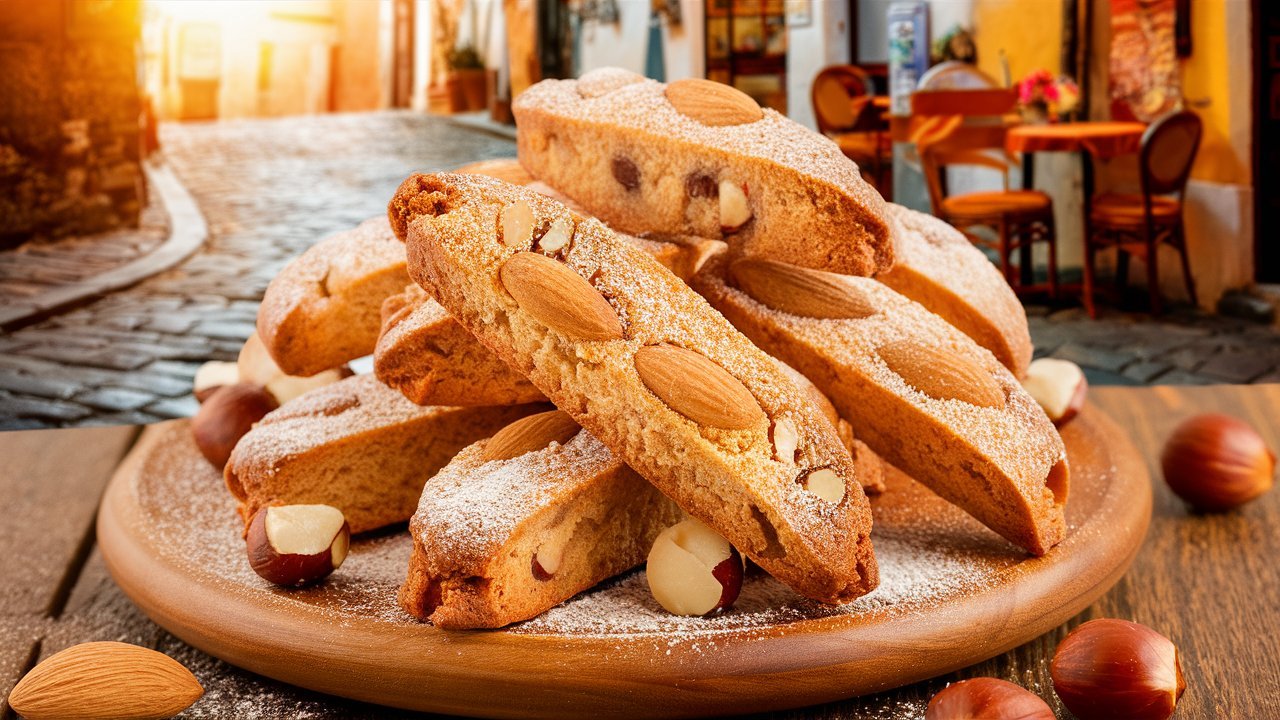

The phrase бишкоти ди прато literally means biscotti of Prato. The word biscotti comes from Latin, meaning “twice cooked,” which hints at their unique preparation method. These are not soft cookies; they are intentionally firm, dry, and crunchy, designed to last. The city of Prato, in Tuscany, is where these biscuits first became famous. Naming them after Prato reflects both the origin and the pride of this region in its culinary heritage. In Italy, they are sometimes also called cantucci or cantuccini, depending on size and style.
The Origin and History of Italian Biscotti di Prato
Bишкоти ди прато have a long and fascinating history. In the past, before modern preservation methods, foods that could last longer were highly valued. The twice-baking method allowed these biscuits to remain firm for days or even weeks, making them suitable for travelers, merchants, and soldiers.
The modern form with almonds originated in Prato, with one of the most famous contributions coming from pastry maker Antonio Mattei in the 19th century. His recipe gained international recognition and helped establish the classic version of these biscuits. Over time, they evolved from a regional specialty into a symbol of Tuscan tradition, enjoyed both locally and internationally.
Ingredients That Define Authentic Бишкоти ди Прато
What makes these biscuits authentic is their simplicity. Traditional бишкоти ди прато are made with just a few ingredients: flour, sugar, whole eggs, and whole almonds. They contain no butter, oil, or milk, which sets them apart from other cookies. Almonds are essential, providing texture, flavor, and visual appeal. Some variations include lemon or orange zest for brightness, but the core recipe focuses on simplicity and quality ingredients.
The Baking Method: Twice Baked for Crunch
The twice-baking process is what defines бишкоти ди прато. The first bake sets the dough into a firm loaf. After slightly cooling, the loaf is sliced diagonally into individual biscuits. These slices then go back into the oven for a second bake, which dries them completely, creating the signature crunch and long shelf life.
Getting the bake right requires attention to timing and temperature. Too hot and the edges can burn; too low and the biscuits may remain soft. The result, when done properly, is a perfectly crisp, golden biscuit with a nutty aroma that delights the senses.
How to Eat Italian Biscotti di Prato
Because they are hard, these biscuits are traditionally enjoyed with a drink. In Tuscany, бишкоти ди прато are often paired with Vin Santo, a sweet dessert wine. Dipping the biscuit softens it slightly and releases its rich almond flavor. Outside Italy, people enjoy them with coffee, espresso, cappuccino, tea, or hot chocolate. Crumbling them over ice cream, yogurt, or fruit also creates a delightful texture contrast that enhances desserts.
READ ALSO: Masgonzola
Variations Around the World
While the classic recipe remains simple, many bakers around the world have adapted it. Some use pistachios, hazelnuts, dried fruits, or chocolate chunks. Citrus zest and spices are also added in modern interpretations. Despite these variations, the essence of бишкоти ди прато remains the same: simple, crunchy, and almond-focused. Purists insist that adding too many extra ingredients detracts from the traditional taste and character of these biscuits.
Health and Nutritional Perspective
Although sweet, these biscuits are lighter than many other desserts because they contain no added fats like butter or oil. Almonds provide healthy fats, protein, and vitamin E, making the biscuits a more balanced treat. They are still a dessert, but enjoyed in moderation, they can fit well into a healthy lifestyle, especially when paired with coffee or tea for a light snack.
Cultural Importance in Tuscany
In Tuscany, бишкоти ди прато are more than a treat; they are part of social rituals. Serving them with Vin Santo is a gesture of hospitality and tradition. Many families have their own recipes passed down through generations, preserving subtle differences while maintaining the core identity. Visiting an artisanal bakery in Prato to see these biscuits baked fresh is considered a special experience for locals and tourists alike, highlighting the cultural importance of these cookies.
Common Challenges When Making Them at Home
Baking бишкоти ди прато at home can be rewarding but challenging. The first bake must produce a loaf firm enough to slice without crumbling, while the second bake must dry the slices without burning them. Shaping the dough is another challenge; it should be dense yet slightly sticky. Working slowly, using minimal flour for shaping, and practicing patience can help achieve perfect results. Over time, you develop a feel for the dough that ensures consistently great biscuits.
Conclusion
Бишкоти ди прато are a timeless combination of history, culture, and flavor. These twice-baked almond biscuits are more than just cookies; they are a connection to centuries of Tuscan culinary tradition. Whether enjoyed dipped in Vin Santo, with morning coffee, or crumbled over desserts, they bring warmth, satisfaction, and a taste of Italian heritage. Making them at home allows you to experience this tradition firsthand, keeping it alive for yourself and those you share it with.
FAQ
What are бишкоти ди прато?
They are traditional twice-baked almond biscuits from Prato, Tuscany, known for their dry, crunchy texture.
Why are they baked twice?
The two-stage bake gives them lasting crispness and shelf life, which is key to their texture.
What do you drink with them?
Traditionally Vin Santo, though coffee, tea, and hot chocolate are popular modern pairings.
Can I make them at home?
Yes, with flour, sugar, eggs, and almonds using the double-bake method. Attention to timing and temperature ensures success.
Are they healthy?
They are lighter than many desserts since they contain no butter or oil, and almonds add nutritional value.






Leave a Reply