


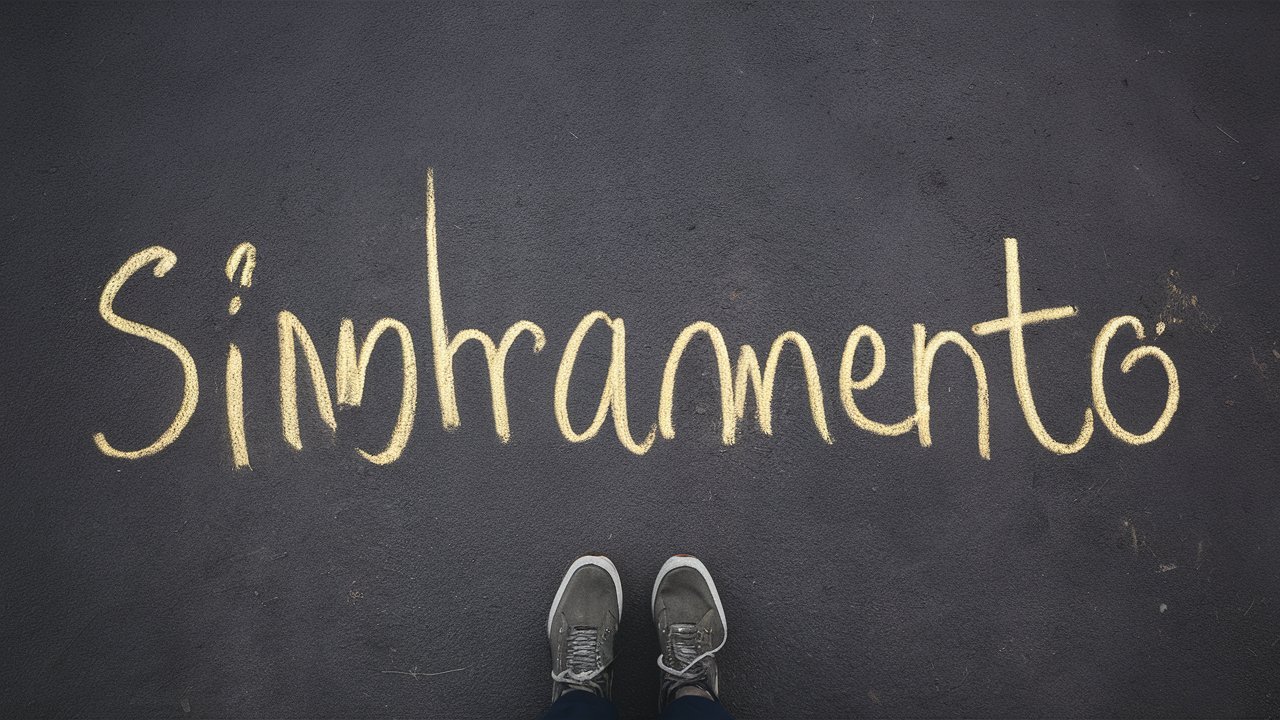

Simbramento is an Italian word that refers to a group of people gathering closely together in one place. It usually describes an unplanned or spontaneous crowd rather than an organized meeting.
The word is often used when people gather in public spaces such as streets, squares, or entrances. It does not always mean something negative, but it often suggests congestion, limited movement, or possible risk.
In simple terms, simbramento means a crowd forming in a small area.
Origin and Language Background of Simbramento
Simbramento comes from the Italian verb that relates to grouping or clustering together. Over time, the noun form developed to describe the result of that action.
The word gained wider attention in recent years because it is frequently used in public safety communication and news reports. Authorities often use it when discussing crowd control and safety measures.
Although simbramento is Italian, the concept exists in every culture. Languages may use different words, but the behavior is universal.
Simbramento in Everyday Life
Simbramento happens more often than people realize. It can occur when a street performer attracts attention, when a shop opens a sale, or when something unusual happens in public.
For example, people may stop to watch an accident, causing others to gather. This creates a simbramento even if no one planned it. These moments show how quickly crowds form when curiosity and attention combine.
Most daily simbramenti are harmless, but they still affect movement and space.
Simbramento and Crowd Behavior
Crowd behavior plays a major role in simbramento. When people see others stopping, they often stop too. This behavior is part of human nature.
People feel safer in groups and are naturally curious. When something draws attention, individuals gather without thinking about the size of the crowd forming.
Understanding this behavior helps explain why simbramento happens so easily and so often.
Social and Psychological Reasons Behind Simbramento
Humans are social beings. When something unusual occurs, people want to share the experience. This shared attention creates simbramento.
Another reason is uncertainty. When people do not know what is happening, they gather to understand the situation better. This can happen during emergencies or unexpected events.
From my own experience, I have noticed that people often gather even when there is nothing useful to see. The presence of others creates a sense that something important is happening.
Simbramento in Public Spaces and Events
Public spaces such as squares, stations, and markets are common places for simbramento. Events like concerts, protests, or festivals also create crowd situations.
In controlled events, organizers manage simbramento with barriers, signs, and staff. In uncontrolled situations, crowds can grow without limits.
This difference is important because unmanaged simbramento can lead to discomfort or danger.
Simbramento and Public Safety
One of the biggest concerns with simbramento is safety. When too many people gather in a small space, movement becomes difficult. This increases the risk of falls, panic, or injury.
Emergency services often warn against simbramento because it can block exits and slow response time. During emergencies, crowding can turn a small problem into a serious situation.
Awareness helps reduce these risks.
READ ALSO: Koriandri
Legal Perspective on Simbramento
In some countries, laws or regulations address simbramento in specific situations. Authorities may limit gatherings in certain areas to protect public safety.
During emergencies or health crises, simbramento may be restricted to prevent harm. These rules aim to protect individuals and the community.
Understanding these rules helps people act responsibly in public spaces.
Personal Observations and Real Life Examples
I have personally experienced simbramento in busy city centers. One person stopped to look at something, then others followed. Within minutes, movement slowed, and frustration grew.
In another case, a street performance attracted a large crowd. While enjoyable, it blocked sidewalks and caused tension.
These experiences show how simbramento affects daily life, even in small ways.
How to Avoid Dangerous Simbramento Situations
Awareness is the first step. If you notice a crowd forming, consider whether it is necessary to stop. Keeping pathways clear helps everyone.
During events, follow guidance from organizers and authorities. Move calmly and avoid pushing.
Simple choices can reduce risk and improve safety for everyone.
Why Understanding Simbramento Matters
Understanding simbramento helps people make better decisions in public spaces. It encourages responsibility, awareness, and respect for others.
It also helps authorities design safer environments and manage crowds effectively.
Knowledge leads to safer behavior.
Conclusion
Simbramento describes a common human behavior where people gather closely in one place. While often harmless, it can create safety concerns if not managed properly.
By understanding what simbramento is and why it happens, people can act more responsibly in public spaces. Awareness, patience, and cooperation help reduce risks and improve shared environments.
FAQ
What does simbramento mean
It means a crowd of people gathering closely in one place.
Is simbramento always dangerous
No, but it can become risky in crowded or uncontrolled situations.
Where does simbramento usually happen
In public spaces like streets, squares, and events.
Is simbramento a legal issue
Sometimes, especially during emergencies or safety restrictions.
How can simbramento be avoided
By staying aware and avoiding unnecessary crowding.





Leave a Reply