


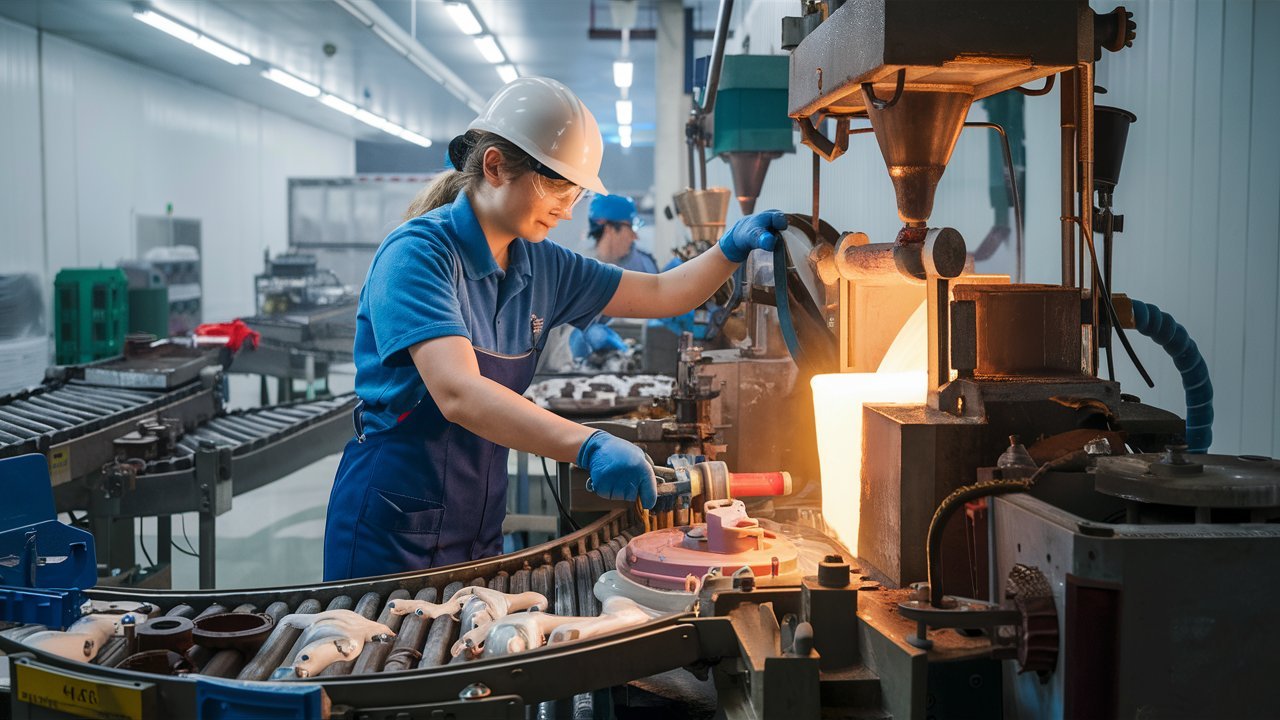

The manufacturing industry depends heavily on skilled professionals who know how to work with materials efficiently. One such important role is the plastic processing operator. This position plays a vital part in turning raw plastic materials into useful products that people use every day. From packaging and household items to automotive parts and medical tools, plastics are everywhere. Because of this, the plastic processing operator remains a valuable and in-demand profession.
In this article, you will learn what a plastic processing operator does, why the role matters, what skills are required, and how someone can build a long-term career in this field. Everything is explained in simple words so that beginners can easily understand.
What Is a Plastic Processing Operator
A plastic processing operator is a trained worker who operates machines used to shape, mold, and process plastic materials. These machines heat plastic, shape it into molds, and cool it into finished products. The operator ensures that machines run smoothly and that products meet quality standards.
In many factories, plastic processing operators work on production lines. They monitor machines, adjust settings, inspect finished items, and fix small problems when they appear. Their work ensures that plastic products are safe, consistent, and ready for use.
Why the Plastic Processing Operator Role Is Important
Plastic products are used across almost every industry. Because of this, the plastic processing operator supports a wide range of sectors such as healthcare, construction, electronics, and food packaging. Without skilled operators, factories would face delays, quality issues, and safety risks.
Moreover, plastic processing operators help reduce waste by monitoring material usage and spotting defects early. This not only saves money but also supports environmental responsibility. Their attention to detail directly impacts product quality and customer satisfaction.
Daily Duties of a Plastic Processing Operator
The daily tasks of a plastic processing operator may vary depending on the factory and machine type. However, some duties remain consistent across most workplaces.
Operators begin their shift by preparing machines and materials. They check raw plastic supplies and ensure machines are clean and ready. Once production starts, they monitor temperature, pressure, and speed settings. These factors affect product quality and must be controlled carefully.
During production, operators inspect finished products for defects such as cracks, uneven shapes, or incorrect sizes. If a problem occurs, they adjust machine settings or stop production to prevent further issues. At the end of a shift, they clean equipment and document production results.
Machines and Tools Used in Plastic Processing
Plastic processing operators work with several types of machines. Each machine serves a different purpose in shaping plastic materials.
Injection molding machines are commonly used to produce detailed plastic parts. Extrusion machines create long plastic shapes like pipes and tubes. Blow molding machines are used for bottles and containers. Operators must understand how each machine works and how to operate it safely.
In addition to machines, operators use measuring tools, quality testing devices, and basic maintenance tools. Knowing how to use these tools correctly helps maintain production quality.
READ ALSO: Numberlina.com
Common Plastic Processing Methods
Plastic processing involves several techniques, each suited for different products. Injection molding is widely used for complex shapes and high-volume production. Extrusion is ideal for continuous shapes such as sheets and pipes.
Blow molding is used to create hollow products, especially containers. Thermoforming involves heating plastic sheets and shaping them using molds. A plastic processing operator may specialize in one method or work with multiple techniques depending on the factory.
Understanding these processes helps operators identify issues and maintain efficiency.
Skills Required to Become a Plastic Processing Operator
To succeed as a plastic processing operator, several skills are essential. Technical understanding is important because operators must control machines and interpret settings. Attention to detail ensures that defects are identified early.
Physical stamina is also necessary since the job may involve standing for long hours. Problem-solving skills help operators respond quickly to machine issues. Communication skills are valuable when working with supervisors and team members.
Over time, experienced operators develop a strong sense of how materials behave, which improves production quality.
Education and Training Requirements
Most plastic processing operator positions require a high school diploma or equivalent. Some employers offer on-the-job training, while others prefer candidates with technical education.
Vocational courses in manufacturing or plastics technology can improve job prospects. Certifications in machine operation or safety standards may also be beneficial. Continuous learning helps operators stay updated with new machines and technologies.
Safety Practices in Plastic Processing
Safety is a critical part of plastic processing. Machines operate at high temperatures and pressures, which can be dangerous if not handled properly. Plastic processing operators must follow safety guidelines at all times.
This includes wearing protective equipment such as gloves, goggles, and safety shoes. Operators must also understand emergency procedures and machine shutdown processes. Regular safety training reduces workplace accidents and promotes a secure working environment.
Work Environment and Conditions
Plastic processing operators typically work in factories or manufacturing plants. The environment may be noisy, warm, and fast-paced. Shift work is common, including night and weekend shifts.
Despite these challenges, many operators enjoy the structured routine and teamwork involved in manufacturing. A clean and organized workspace helps improve efficiency and safety.
Career Growth and Opportunities
A career as a plastic processing operator offers several growth opportunities. With experience, operators can move into supervisory roles or specialize in advanced machine operation. Some may transition into quality control or production planning roles.
Further education can open doors to engineering or management positions. The skills gained as an operator provide a strong foundation for long-term career development.
Salary and Job Outlook
The salary of a plastic processing operator depends on experience, location, and industry. Entry-level positions offer steady income, while experienced operators earn higher wages.
Job demand remains stable due to continuous use of plastic products. Automation is increasing, but skilled operators are still needed to manage and maintain machines effectively.
Challenges Faced by Plastic Processing Operators
Like any job, this role comes with challenges. Machine breakdowns, production deadlines, and quality demands can create pressure. Physical fatigue may also be an issue during long shifts.
However, experience and training help operators handle these challenges efficiently. Supportive teamwork and proper safety practices make the job more manageable.
Personal Insights From the Industry
From my experience observing manufacturing environments, plastic processing operators are often the backbone of production. Their practical knowledge and hands-on skills keep factories running smoothly.
Many operators take pride in seeing finished products that they helped create. This sense of contribution adds value and satisfaction to the role.
EEAT and Industry Trust
Experience, expertise, authority, and trust are essential in manufacturing roles. Plastic processing operators build trust through consistent performance and adherence to quality standards.
Their expertise grows with hands-on experience, while certifications and training add authority. Factories rely on skilled operators to maintain product safety and customer trust.
Future of the Plastic Processing Operator Role
The future of plastic processing continues to evolve. New materials, eco-friendly plastics, and smarter machines are shaping the industry. Plastic processing operators who adapt to these changes will remain valuable.
Learning automation systems and sustainability practices will enhance career stability and growth.
Conclusion
The plastic processing operator plays a crucial role in modern manufacturing. From operating machines to ensuring product quality, this profession requires skill, focus, and responsibility. With steady demand, career growth opportunities, and valuable hands-on experience, it remains a strong career choice for those interested in manufacturing.
Frequently Asked Questions
What does a plastic processing operator do
A plastic processing operator runs machines that shape and mold plastic materials into finished products.
Is the plastic processing operator job hard
The job requires physical effort and attention to detail, but training and experience make it manageable.
Do plastic processing operators need formal education
Most roles require basic education, with on-the-job training or technical courses preferred.
Is this a good long-term career
Yes, with experience and skill development, it offers stable income and growth opportunities.
SEO Title
Plastic Processing Operator Role Explained Duties Skills Career Path
Meta Description
Learn what a plastic processing operator does, required skills, career growth, salary, and future outlook in this detailed beginner-friendly guide.






Leave a Reply