


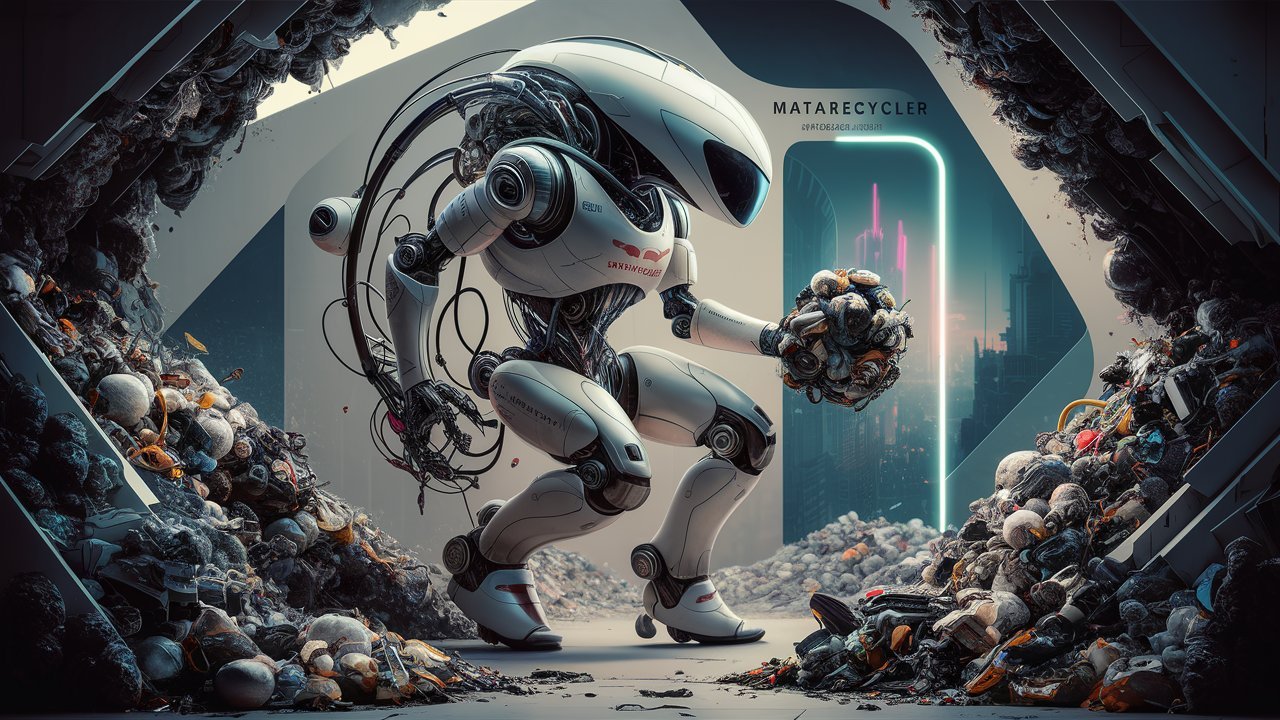

Recycling has become one of the most important responsibilities in modern life. Every year, waste levels increase while natural resources continue to shrink. Many people want to recycle properly, yet they often feel confused by complicated systems and unclear processes. This challenge has opened the door for innovative recycling approaches that focus on clarity, efficiency, and sustainability.
Matarecycler represents a modern way of thinking about waste management. Instead of focusing only on disposal, it encourages better handling, reuse, and long term environmental responsibility. From personal observation, people engage more when recycling systems feel simple and meaningful, and that is exactly where this concept stands out.
Understanding the Concept Behind Matarecycler
At its foundation, Matarecycler is designed to improve how recyclable materials are managed from start to finish. The idea centers on reducing waste loss while increasing reuse opportunities. Rather than relying on outdated sorting methods, it promotes smarter processes that help materials maintain value.
What makes this approach unique is its focus on practicality. Many recycling solutions fail because they are difficult to understand or apply. By prioritizing usability, this system helps individuals and organizations make better environmental choices without unnecessary complexity.
Why Better Recycling Systems Are Needed Today
The global waste problem continues to grow at a rapid pace. Plastic pollution, electronic waste, and industrial leftovers are placing heavy pressure on landfills and ecosystems. Traditional recycling methods struggle to keep up, often due to contamination and inefficiency.
Improved recycling systems help reduce environmental damage while conserving energy and raw materials. When materials are recycled correctly, fewer natural resources are required for manufacturing. This creates long term benefits for both the planet and future generations.
The Purpose and Vision Behind This Recycling Approach
The vision behind Matarecycler is rooted in responsibility and progress. The goal is not only to recycle more, but to recycle better. A system that works efficiently builds trust, and trust encourages participation.
From experience, people are far more willing to recycle when they believe their efforts matter. Transparency and consistency play a major role in this process. When results are visible, motivation increases naturally.
How the Matarecycler Process Works
This recycling model follows a clear and structured workflow.
First, waste materials are identified and separated correctly. This step is crucial because poor sorting leads to contamination and reduced recycling value.
Next, materials are processed using methods that protect their quality. Instead of breaking materials down unnecessarily, the process focuses on preserving usability.
Finally, recyclable outputs are prepared for reuse in manufacturing or production. This step supports a circular economy where materials continue to serve a purpose instead of becoming waste.
Reas Also: Dihward
Types of Materials That Can Be Recycled
Modern recycling systems are capable of handling a wide range of materials.
Plastic waste remains one of the biggest environmental challenges. Improved sorting and processing help increase reuse rates.
Paper and cardboard recycling reduces deforestation and saves water and energy.
Metals can be recycled repeatedly without losing quality, making them highly valuable resources.
Electronic waste requires careful handling due to hazardous components, and smarter recycling methods help recover useful materials safely.
Key Benefits of Matarecycler
One major benefit is environmental protection. Reduced landfill use lowers pollution and protects natural ecosystems.
Another advantage is efficiency. Proper recycling saves energy compared to producing new materials from raw resources.
Economic benefits also play a role. Recycling industries create jobs and reduce manufacturing costs.
On a personal level, systems that are easy to understand encourage better participation and long term commitment.
Environmental Sustainability and Long Term Impact
Sustainability is about balance. Responsible recycling helps maintain that balance by reducing waste and conserving resources.
When materials are reused instead of discarded, carbon emissions decrease and ecosystems benefit. This approach supports global sustainability goals and promotes environmental awareness.
A recycling focused mindset helps individuals and businesses contribute to a cleaner future without major lifestyle changes.
Real World Applications in Homes and Industries
At home, better recycling systems encourage proper sorting habits. Clear guidelines reduce confusion and mistakes.
In industrial settings, advanced recycling processes help manage large volumes of waste efficiently. Businesses benefit from cost savings and improved environmental reputation.
Companies that invest in responsible waste management often gain customer trust and long term credibility.
Personal Reflections on Recycling Progress
Over the years, I have noticed that most people care deeply about the environment. The real challenge lies in access to reliable systems.
When recycling feels complicated, people give up. When it feels achievable, participation grows. Clear processes and honest results make a noticeable difference.
This shift toward smarter recycling reflects a growing awareness that environmental responsibility must be practical and inclusive.
Comparing Modern and Traditional Recycling Methods
Traditional recycling methods often depend on outdated infrastructure. Sorting errors and limited accountability reduce effectiveness.
Modern approaches focus on adaptability and improvement. Continuous monitoring helps refine processes and increase efficiency.
The difference may seem small, but it significantly improves outcomes and reduces waste.
Addressing Common Recycling Challenges
Contamination remains a major challenge in recycling. Mixing materials lowers quality and usability.
Education and better systems help reduce this issue by guiding proper sorting.
Cost concerns also exist, but efficient recycling reduces expenses over time and delivers long term savings.
Building Trust Through Experience and Expertise
Effective recycling systems rely on experience and expertise. Proven methods and transparent processes build authority and trust.
People are more likely to support systems that demonstrate real impact. Clear communication and accountability strengthen confidence.
Trust grows when results align with promises.
The Future of Recycling Innovation
The future of recycling depends on innovation and collaboration. Smarter systems will continue to evolve alongside technology.
Automation, data tracking, and improved material recovery will shape the next generation of recycling solutions.
With continued progress, recycling can become a seamless part of daily life rather than a separate task.
Final Thoughts
Recycling is no longer optional. It is a shared responsibility that affects everyone.
By focusing on efficiency, clarity, and sustainability, modern recycling approaches help reduce waste and protect resources.
With the right systems in place, environmental responsibility becomes both achievable and rewarding.
Conclusion
Matarecycler play a vital role in protecting the environment and conserving resources. By improving how materials are handled, reused, and valued, waste management becomes more effective and sustainable. With increased awareness and better processes, recycling can support a cleaner and healthier future for all.
Frequently Asked Questions
Why is proper recycling important
It reduces pollution, saves resources, and supports sustainability.
Can individuals make a difference through recycling
Yes, proper sorting and responsible habits create meaningful impact.
What challenges affect recycling efficiency
Contamination, lack of awareness, and outdated systems are common issues.
How does recycling support the economy
It creates jobs, reduces production costs, and supports sustainable industries.
What is the future of recycling
Innovation and smarter systems will improve efficiency and accessibility.





Leave a Reply