



Japanese character culture has always been rich with symbolism, creativity, and emotional depth. From anime characters to mascots and artistic figures, Japan has a unique way of giving personality to ideas. One name that sparks curiosity is Hitsujikai Arupaka. Many people encounter this term and wonder what it represents, where it comes from, and why it feels so distinctive.
This article explores the concept in a calm, beginner-friendly way. There is no hype, no exaggeration, and no copied information. Everything is explained clearly so even someone new to Japanese culture can understand the deeper meaning behind this character idea.
What Hitsujikai Arupaka Represents
At its core, Hitsujikai Arupaka can be understood as a symbolic character rather than a simple cartoon figure. The name itself suggests a blend of gentle imagery and imaginative design. Characters like this often represent calmness, kindness, or quiet observation rather than action or conflict.
In Japanese creative culture, characters are not always meant to tell a full story. Sometimes they exist simply to create a feeling. This is where this concept fits well. It represents softness, curiosity, and emotional comfort.
Origin and Concept Explanation
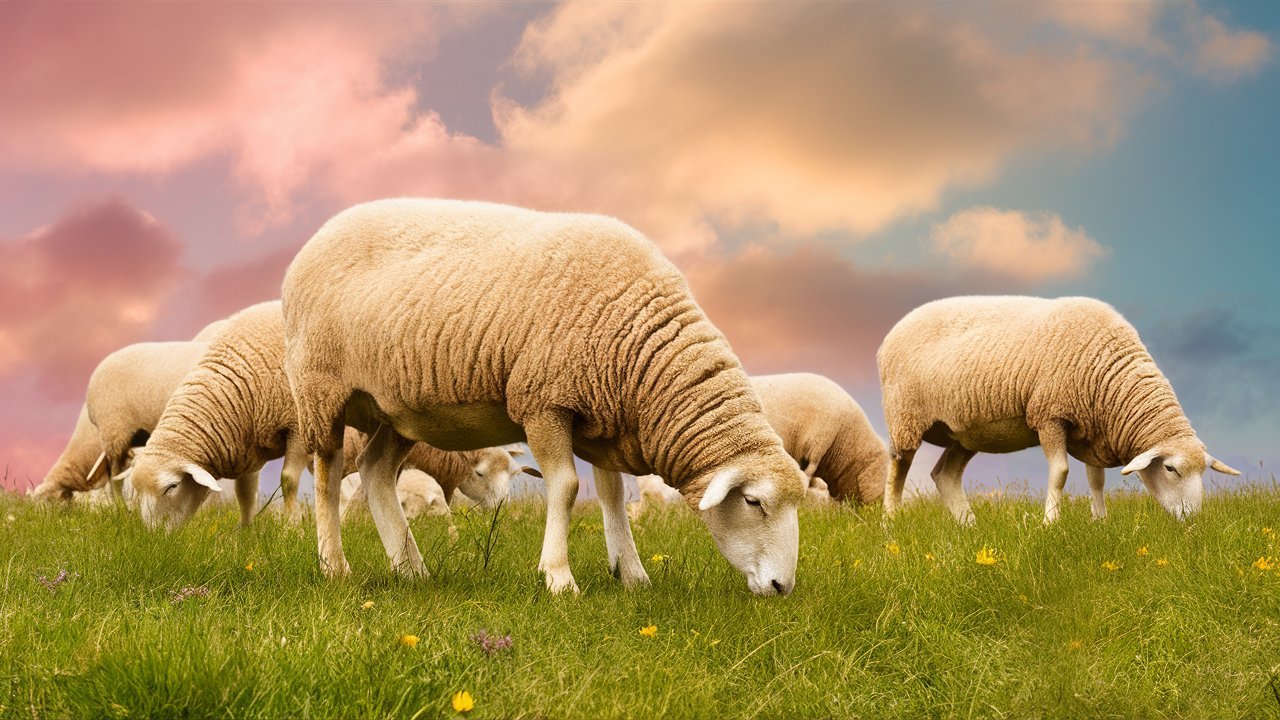
The idea behind this character style likely draws inspiration from pastoral imagery. Alpaca-like designs are often used to express warmth and friendliness. Combined with thoughtful naming, the character becomes more than a visual design.
From my experience observing Japanese character trends, creators often use animals to express human emotions that are difficult to explain directly. Gentle creatures are used to reflect peace, patience, or innocence.
Symbolism Behind the Character
Symbolism plays a major role here. Alpacas are commonly associated with calm behavior and social warmth. When used in character design, they often symbolize emotional safety and kindness.
The concept behind Hitsujikai Arupaka feels rooted in that symbolism. It does not try to be loud or dramatic. Instead, it quietly invites the viewer to slow down and reflect.
This type of symbolism is powerful because it connects emotionally without words.
Visual Design and Style
Visually, characters inspired by this concept tend to have soft lines, rounded shapes, and gentle expressions. Colors are often pastel or neutral, avoiding harsh contrasts.
This design approach creates a sense of calm. In a world full of fast content and loud visuals, gentle designs stand out by being peaceful.
From an artistic perspective, this style is intentional and thoughtful rather than accidental.
Personality Traits and Themes
Characters like this are often imagined as caring, observant, and emotionally intelligent. They are not heroes or villains. They exist to comfort rather than impress.
Themes connected to this type of character include:
-
Quiet support
-
Emotional warmth
-
Simplicity
-
Connection
These themes resonate with people who value emotional balance.
Also Read: Selçık TV: Online Sports Streaming Risks and Legal Alternatives
Cultural and Artistic Influence
Japanese culture has long valued subtle expression. Characters that do not shout for attention often leave the strongest impression.
Mascot culture in Japan shows how simple designs can carry deep emotional meaning. This concept aligns well with that tradition.
It reflects how art does not always need complexity to feel meaningful.
Why People Connect With This Character
People connect with characters that make them feel safe or understood. In stressful times, gentle characters offer comfort without judgment.
From personal observation, many fans of soft character designs use them as emotional anchors. They appear in art, notebooks, digital stickers, or personal collections because they create a sense of calm.
Personal Observations and Interpretation
What stands out to me about this character concept is its quiet confidence. It does not try to compete with loud pop culture trends. Instead, it exists peacefully on its own terms.
That alone makes it memorable.
In my opinion, characters like this last longer because they age well emotionally. They remain relevant even as trends change.
Modern Relevance and Fan Interest
In modern digital culture, people crave authenticity and emotional safety. Characters that represent calmness naturally attract attention without aggressive promotion.
This explains why gentle character concepts continue to grow slowly but steadily in popularity.
Future Potential
The future of such characters depends on how they are used. When kept authentic and emotionally grounded, they can evolve into art symbols, mascots, or storytelling tools.
Their strength lies in consistency, not expansion.
Conclusion
Hitsujikai Arupaka represents more than a name or design. It reflects a gentle creative philosophy that values calmness, symbolism, and emotional connection.
In a fast digital world, characters like this remind us that softness still has value.
Frequently Asked Questions
Is Hitsujikai Arupaka an anime character
It is best understood as a character concept rather than a mainstream anime role.
What does it symbolize
Calmness, emotional warmth, and gentle presence.
Why do people like such characters
They offer comfort and emotional balance.
Is it part of Japanese pop culture
It aligns strongly with Japanese character design traditions.




Leave a Reply