


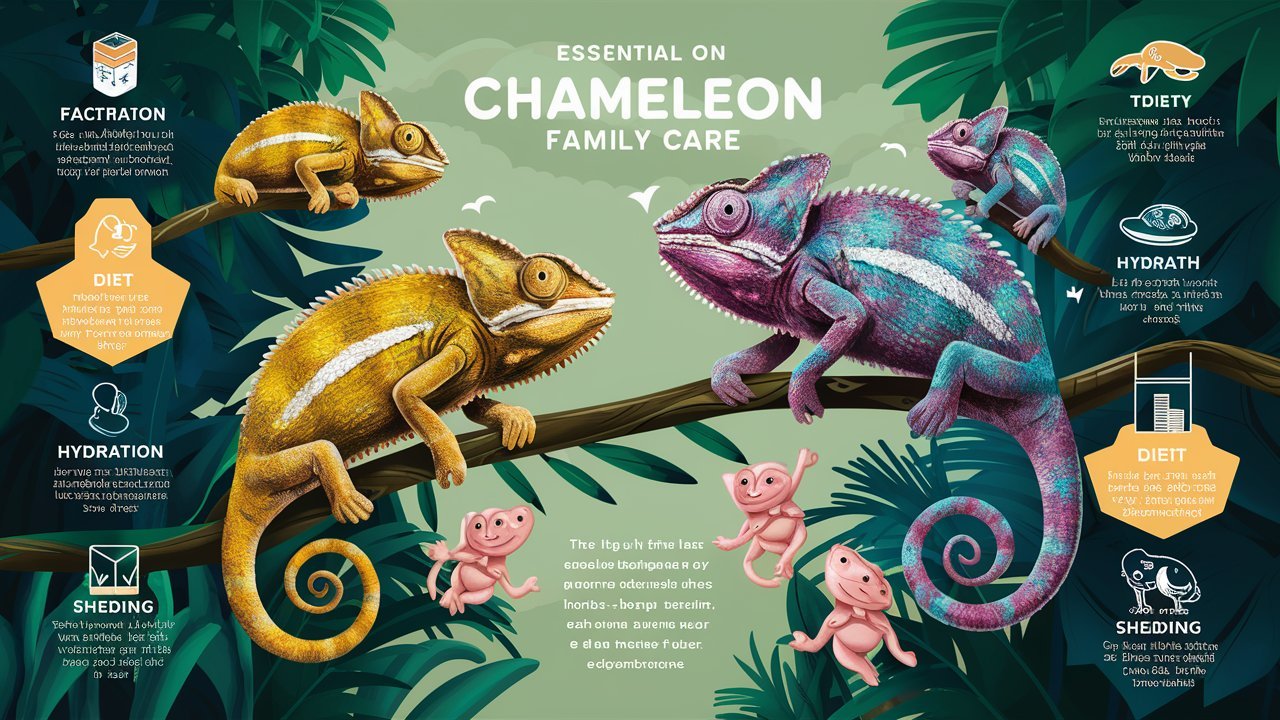

The word Chameleónovité refers to the scientific family of chameleons. These reptiles are famous for their ability to change color, move their eyes independently, and live mostly in trees. Many people know chameleons from cartoons or documentaries, but very few understand how special and complex they really are.
I remember the first time I saw a chameleon in real life during a wildlife exhibition. It moved slowly, carefully, and its skin changed slightly as the light shifted. That moment made me curious about the Chameleónovité family and their unique survival skills. The more I learned, the more I respected these incredible reptiles.
Scientific Classification of Chameleónovité
Chameleónovité belongs to the reptile class. They are part of the order Squamata, which also includes lizards and snakes. Within this order, chameleons form their own distinct family.
There are more than 200 species in the Chameleónovité group. Some are small, only a few centimeters long. Others grow up to two feet in length. Each species has adapted to its environment in different ways.
Understanding scientific classification helps researchers study evolution, biodiversity, and ecological balance. It also shows how chameleons are related to other reptiles.
Physical Characteristics
The Chameleónovité family has several features that make them unique.
First, their eyes can move independently. This means one eye can look forward while the other looks backward. This gives them almost 360 degree vision.
Second, they have specialized feet designed for gripping branches. Their toes are fused together in groups, which helps them climb trees easily.
Third, they have long, sticky tongues. A chameleon can extend its tongue at high speed to catch insects. The tongue can be longer than the body itself.
Their bodies are usually laterally compressed, which means they look thin from the front but wide from the side. This shape helps them blend into leaves and branches.
Color Changing Ability
Many people believe chameleons change color only for camouflage. This is partly true, but it is not the full story.
Chameleónovité species change color mainly for communication and temperature control. Their skin contains special cells called chromatophores. These cells reflect light differently depending on the mood, stress level, or temperature.
For example, a chameleon may become darker when it feels threatened. It may become brighter during mating season. Light colors can also help reflect heat, while dark colors absorb heat.
This ability is not magic. It is a biological process that scientists have studied for many years.
Habitat and Distribution
Most Chameleónovité species live in Africa and Madagascar. Some are found in parts of Europe, Asia, and the Middle East.
They prefer warm climates such as tropical forests, savannas, and sometimes deserts. Many species are arboreal, meaning they live in trees. Their gripping feet and prehensile tails help them move easily among branches.
Habitat plays a big role in their survival. Deforestation and climate change threaten many species. Protecting natural habitats is essential for maintaining biodiversity.
Diet and Hunting Style
Chameleons are mainly insect eaters. They feed on crickets, grasshoppers, flies, and other small insects. Larger species may eat small birds or lizards.
Their hunting style is patient and precise. They move slowly and observe their prey carefully. Once the target is within range, they shoot out their sticky tongue at incredible speed.
I once watched a documentary showing slow motion footage of a chameleon catching prey. The speed was amazing. It happened in less than a second.
Their diet helps control insect populations, which benefits ecosystems.
Reproduction and Life Cycle
Most Chameleónovité species lay eggs. The female digs a hole in the ground and deposits her eggs. After several months, baby chameleons hatch and are independent from birth.
Some species give birth to live young instead of laying eggs. This depends on environmental conditions.
Baby chameleons are small but fully capable of hunting and climbing. Their survival depends on camouflage and quick learning.
The lifespan of chameleons varies. In the wild, they may live between two and ten years depending on species and environment.
Behavior and Adaptation
Chameleons are generally solitary animals. They prefer living alone except during mating season.
They move slowly and carefully to avoid predators. Their ability to blend with leaves and branches is one of their strongest survival tools.
Adaptation is the key to their success. Over millions of years, the Chameleónovité family developed traits that help them survive in different climates.
From an evolutionary perspective, their independent eye movement and specialized tongue are remarkable examples of adaptation.
Predators and Survival
Chameleons face threats from birds, snakes, and larger reptiles. Their main defense is camouflage.
When threatened, some species puff up their bodies, change color, and hiss to appear larger. These defensive behaviors increase survival chances.
However, habitat destruction remains a bigger threat than natural predators. Human activities reduce their natural living space.
Read Also: Gelboodu
Chameleónovité as Pets
Some species are kept as exotic pets. However, they require specific care.
They need controlled temperature, humidity, and proper lighting. They also need live insects for food.
In my opinion, keeping a chameleon should only be done by responsible owners who understand reptile care. They are not low maintenance pets.
Before buying one, people should research carefully and ensure they can provide proper conditions.
Conservation Status
Many Chameleónovité species are threatened due to habitat loss and illegal wildlife trade.
Conservation efforts focus on protecting forests, regulating trade, and educating the public.
Biodiversity is important for ecosystem balance. Losing species affects food chains and environmental stability.
Supporting conservation programs and wildlife protection organizations can help preserve these unique reptiles.
Personal Reflection and Experience
Learning about Chameleónovité changed my view of reptiles. I used to think of them as simple animals. Now I see them as highly specialized creatures with complex biology.
Their ability to adapt teaches an important lesson about survival. Nature evolves solutions to challenges over time.
Studying wildlife also reminds us of our responsibility to protect natural habitats.
Conclusion
Chameleónovité represents one of the most fascinating reptile families in the world. Their color changing ability, independent eye movement, and unique hunting style make them truly special.
Understanding their biology, habitat, and behavior helps us appreciate biodiversity. Protecting their environment ensures future generations can continue to learn from them.
Whether you are a student, nature lover, or reptile enthusiast, studying chameleons offers valuable insight into evolution and adaptation.
Frequently Asked Questions
What does Chameleónovité mean?
It refers to the scientific family that includes all chameleon species.
Why do chameleons change color?
They change color mainly for communication, temperature control, and sometimes camouflage.
Where do most chameleons live?
Most species live in Africa and Madagascar.
Are chameleons good pets?
They can be kept as pets but require special care and proper environmental conditions.






Leave a Reply