


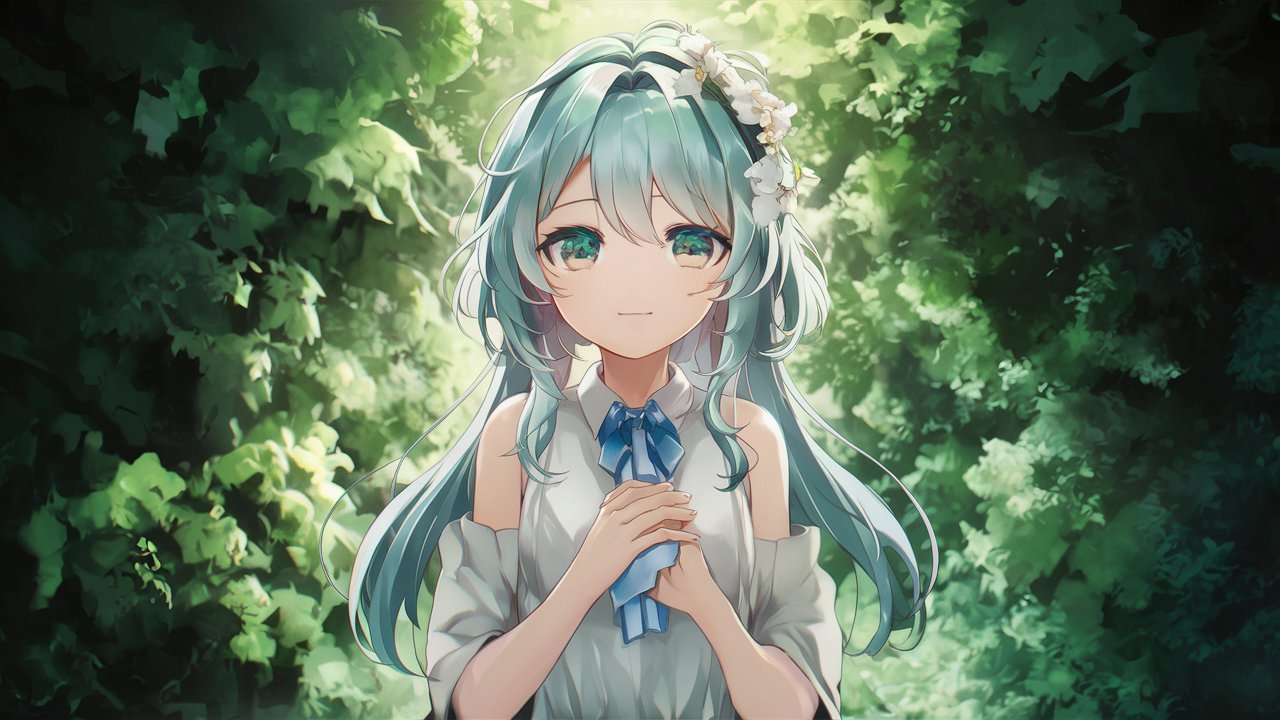

Doujin moe is a term that often appears in anime and manga communities, especially among fans who enjoy creative and emotional storytelling. At first, the phrase may sound confusing. However, once you understand its meaning, history, and cultural value, it becomes much easier to appreciate. This guide explains doujin moe in simple English so even a complete beginner can understand it without feeling overwhelmed.
I remember when I first saw the word doujin moe online. I assumed it was something complicated or hidden. After learning more, I realized it is mainly about creativity, passion, and emotional connection within anime culture.
What Is Doujin Moe
To understand doujin moe, we must split the phrase into two parts.
The word doujin means self published or fan made work. In Japan, doujin often refers to manga, comics, or stories created by independent artists. These works are usually not produced by big companies. Instead, they are made by fans or small creator groups.
The word moe describes a feeling of strong affection toward fictional characters. Moe characters often look cute, gentle, shy, or emotionally warm. The goal is not realism but emotional comfort.
When combined, doujin moe means fan made creative works that focus on cute, lovable characters and emotional storytelling.
The History of Doujin Moe
Doujin culture started many decades ago in Japan. Early manga fans wanted to create their own stories instead of waiting for official releases. They printed small books and shared them at events.
Moe as a concept became popular in the late 1990s and early 2000s. Fans started focusing more on emotional attachment and character charm rather than action.
As both movements grew, doujin moe naturally appeared. Independent artists began creating their own cute characters or fan interpretations using moe style art.
Events like Comiket helped this culture grow. Artists could meet readers face to face, share ideas, and build loyal fanbases.
Understanding the Moe Art Style
Moe art is easy to recognize once you know what to look for. Characters usually have big expressive eyes, soft facial expressions, and gentle body language. Colors are often bright and warm.
The goal of moe art is emotional comfort. It makes readers feel calm, happy, or protective. This is one reason why moe is popular among people who want relaxing content after a stressful day.
From my experience, moe art feels like a visual form of kindness. It does not try to shock or confuse. Instead, it invites the reader to feel close to the character.
What Is Doujinshi
Doujinshi are self published comics or books. Many doujin moe works are released as doujinshi.
Creators usually write, draw, print, and sell these works on their own. Some sell them at conventions, while others publish them online.
This freedom allows artists to experiment. They can explore new character designs, softer emotions, and personal storytelling styles that may not fit mainstream manga rules.
How Doujin Moe Is Created
Creating doujin moe is a personal journey. It often starts with an idea or feeling. An artist might imagine a comforting character or a gentle story.
Next comes the design process. Artists sketch characters, focusing on expressions and body language. Then they write simple but emotional stories.
Many creators use digital tools today. Tablets and drawing software make it easier to share work online.
What makes doujin moe special is passion. Most creators are not motivated by money but by love for their craft.
READ ALSO: GE Translator
Why Doujin Moe Is So Popular
Doujin moe is popular because it feels personal. Readers can sense the effort and emotion behind the work.
Unlike big productions, doujin moe stories often feel honest. They are created by fans for fans.
People also enjoy the community aspect. Comment sections, fan events, and social media allow direct interaction between creators and readers.
Legal and Ethical Considerations
Doujin works exist in a legal gray area. Some are original, while others are fan interpretations of existing characters.
In Japan, many companies tolerate doujin activity because it supports fandom culture. However, creators must still respect copyright laws.
Ethically, supporting original doujin moe creators is important. Buying their work or sharing it with credit helps the community grow in a healthy way.
Doujin Moe Outside Japan
Today, doujin moe is not limited to Japan. Artists from many countries create moe style fan works inspired by anime culture.
Online platforms make global sharing easy. Language barriers are less of a problem thanks to visual storytelling.
I have seen talented artists from different regions bring their own cultural touch to moe art, which makes the community even richer.
Personal Experience and Community Perspective
As someone who enjoys anime culture, I believe doujin moe represents creative freedom. It reminds us that art does not always need permission to exist.
Many creators start small. Some later become professional artists. Their doujin days help them build skills and confidence.
Communities built around doujin moe are often supportive and welcoming, especially for beginners.
EEAT Principles in Doujin Moe Content
Experience comes from creators sharing personal emotions and stories.
Expertise grows as artists improve their skills through practice.
Authority is built when creators gain loyal audiences.
Trust develops through honest communication and respect for fans.
These principles help doujin moe content feel real and reliable.
The Future of Doujin Moe
The future of doujin moe looks bright. Digital tools and social platforms allow more people to create and share their work.
Virtual events and online stores reduce costs for creators. This means more diversity and new voices.
As long as fans value emotional storytelling and creative freedom, doujin moe will continue to grow.
Conclusion
Doujin moe is more than a keyword. It is a creative movement built on passion, emotion, and community. It allows fans to express love for characters and stories in their own way. Whether you are a reader or a creator, doujin moe offers a welcoming space where creativity matters more than perfection.


Leave a Reply