


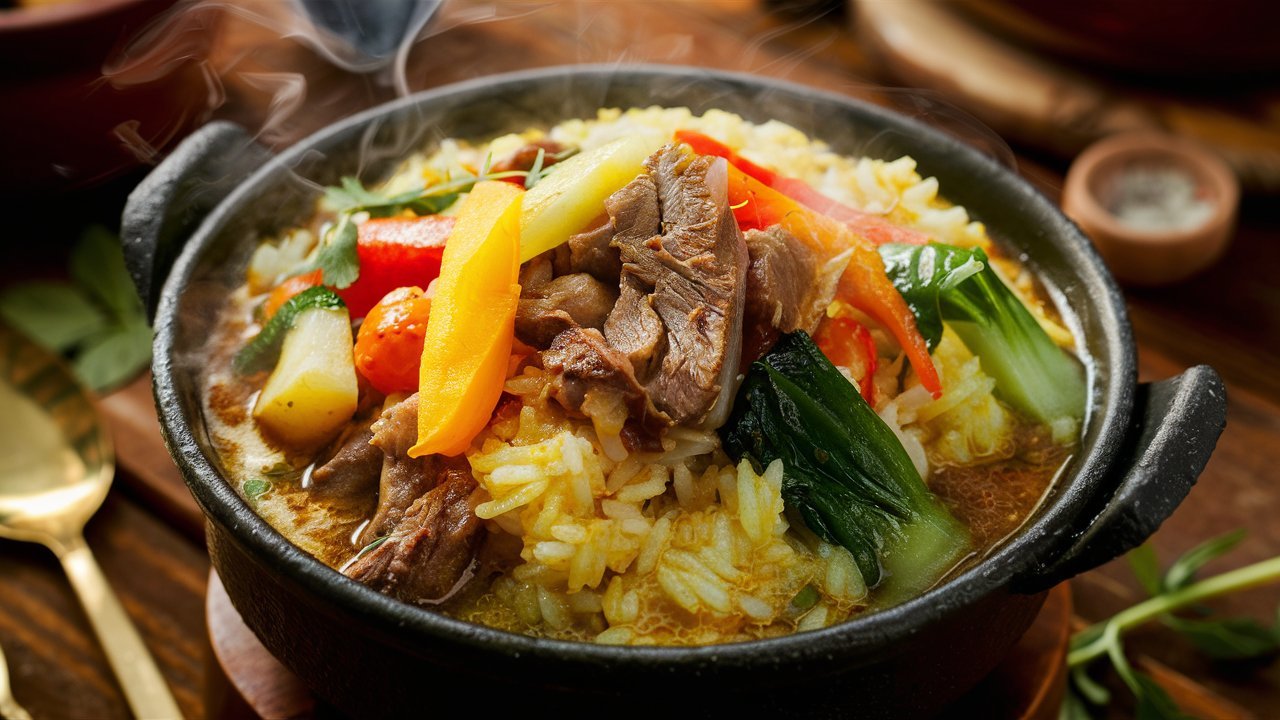

Food has a special way of connecting people to culture and comfort. One such dish that brings warmth and simplicity is Palentu. This traditional recipe is known for its rich texture, gentle flavor, and filling nature. Because it uses basic ingredients, it is easy to prepare at home.
Many people look for meals that are both comforting and simple. Palentu fits perfectly into that category. It does not require advanced cooking skills. Instead, it relies on patience and proper technique. From my own experience, dishes like this often become family favorites because they feel honest and satisfying.
What Is Palentu
Palentu is a traditional cooked dish made mainly from ground grains or flour, slowly cooked with water or broth until it reaches a thick and smooth texture. In many ways, it is similar to porridge or soft dough based meals found in different cultures.
This dish is usually eaten warm and served with vegetables, sauces, or proteins. Because of its neutral base, it pairs well with many flavors. As a result, it can be adapted easily based on personal taste.
Origin and Cultural Importance
Palentu has roots in traditional home cooking where meals were prepared slowly and shared with family. It was often cooked during colder seasons because it provides warmth and energy.
In many households, this dish represents comfort and togetherness. Older generations often passed the recipe down through experience rather than written instructions. That is why each family may prepare it slightly differently.
From what I have observed, traditional foods like Palentu survive because they are practical, affordable, and nourishing.
Ingredients Needed for Palentu
One of the best things about Palentu is its simplicity. The ingredients are easy to find and affordable.
Basic Ingredients
-
Ground grain or flour
-
Water or vegetable broth
-
Salt to taste
-
Butter or oil
Optional Ingredients
-
Garlic
-
Herbs or spices
-
Cheese
-
Cooked vegetables
Because the ingredient list is flexible, beginners can start with the basic version and slowly experiment.
Step by Step Palentu Recipe
Step 1 Prepare the Liquid
First, pour water or broth into a deep pot. Then, place it on medium heat and allow it to warm slowly. Add salt at this stage so the flavor spreads evenly.
Step 2 Add the Flour Gradually
Once the liquid starts to heat, slowly add the ground grain or flour. At the same time, stir continuously to avoid lumps. This step is very important.
Step 3 Stir and Cook Slowly
Continue stirring as the mixture thickens. Lower the heat and keep stirring gently. This slow cooking process helps achieve a smooth texture.
Step 4 Add Fat for Flavor
After the mixture thickens fully, add butter or oil. Stir well until everything blends smoothly. This step improves both taste and texture.
Step 5 Rest Before Serving
Turn off the heat and allow the dish to rest for a few minutes. This helps it settle and become more flavorful.
Cooking Tips for Best Taste
Cooking Palentu requires patience. Rushing the process often leads to uneven texture. Therefore, slow heat is always better.
Use a wooden spoon if possible. It helps control the mixture better. In addition, constant stirring prevents burning.
From my own cooking experience, the moment the mixture pulls away cleanly from the pot is a sign it is ready.
Taste, Texture, and Aroma
Palentu has a soft, creamy texture when cooked properly. Its flavor is mild, which makes it a perfect base for stronger side dishes.
The aroma is gentle and comforting. It reminds many people of home cooked meals. Because of this, it is often served during family gatherings.
Health Benefits of Palentu
This dish provides steady energy because it is made from grains. It is filling without being heavy.
Some benefits include:
-
Good source of carbohydrates
-
Easy to digest
-
Can be made low fat
-
Keeps you full longer
When paired with vegetables, it becomes a balanced meal.
Serving Suggestions
Palentu can be served in many ways. It works well with:
-
Stewed vegetables
-
Meat or fish dishes
-
Tomato based sauces
-
Cheese toppings
Some people prefer it plain, while others enjoy rich toppings. Both options work well.
Common Cooking Mistakes
One common mistake is adding flour too quickly. This causes lumps. Another mistake is cooking on high heat, which leads to burning.
Also, not stirring enough can ruin the texture. Paying attention during cooking makes a big difference.
Also Read: Palentu
Palentu Variations
There are many ways to customize this recipe. Some add herbs for flavor. Others mix in cheese for richness.
In some regions, Palentu is baked briefly after cooking. In others, it is served very soft and creamy.
These variations keep the dish interesting.
Personal Cooking Experience
The first time I cooked Palentu, I rushed the process. The texture was uneven. However, after slowing down and stirring patiently, the result improved greatly.
Now, it is one of my favorite comfort meals. It reminds me that good food does not need to be complicated.
Conclusion
Palentu is a simple, comforting, and traditional dish that anyone can prepare. Its strength lies in its simplicity and flexibility. With basic ingredients and patience, it becomes a satisfying meal.
Whether you eat it plain or with toppings, Palentu offers warmth, nutrition, and a sense of home. For beginners and experienced cooks alike, it is a recipe worth trying.
Frequently Asked Questions
What is Palentu made from
It is mainly made from ground grains or flour, water, and salt.
Is Palentu healthy
Yes, especially when paired with vegetables and cooked with moderate fat.
Is Palentu hard to cook
No, it is simple but requires patience and stirring.
Can Palentu be customized
Yes, it can be flavored with herbs, cheese, or sauces.






Leave a Reply